
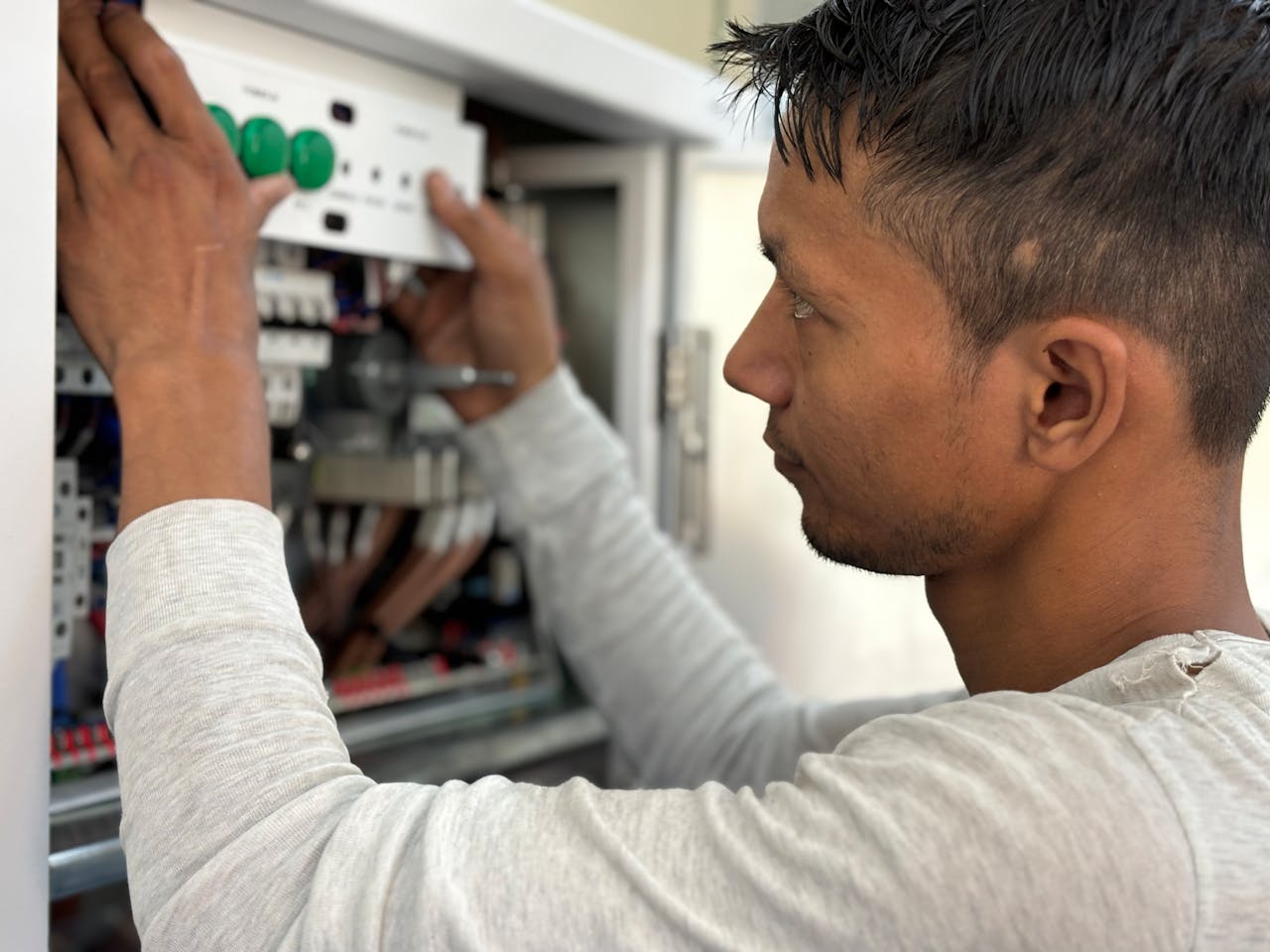
In any home or commercial property, electrical safety is not something to take lightly. A professional inspection ensures that wiring, distribution boards, and electrical components are functioning safely and within legal standards. For homeowners and landlords, this process can prevent serious hazards such as electrical fires, shocks, and costly system failures.
When arranging an inspection, many property owners first reach out to an experienced electrician in Cape Town residents trust for compliance checks and safety assessments. This step is often required for property sales, insurance validation, or routine maintenance to ensure everything meets current regulations.
Understanding what happens during an inspection can help reduce uncertainty and ensure you are properly prepared. While the process may seem technical, it follows a structured approach designed to protect both people and property.
A professional inspection is not just about identifying faults. It is about ensuring long-term electrical safety, improving system efficiency, and verifying that installations comply with national standards.
Understanding the Purpose of an Electrical Inspection
An electrical inspection is a comprehensive evaluation of a property’s wiring system and electrical infrastructure. The primary goal is safety, but compliance and performance also play a major role.
During this process, a qualified technician assesses whether the electrical system meets regulatory requirements and whether it poses any immediate or potential risks. This is especially important in older homes where wiring may have deteriorated or been modified over time without proper certification.
A licensed professional electrician Cape Town homeowners hire will typically follow national safety guidelines and ensure that every circuit, outlet, and distribution point is properly evaluated.
Inspections are also commonly required when buying or selling property. They help ensure transparency between parties and confirm that the electrical system is legally compliant before ownership changes hands.
Preparing for a Professional Electrical Inspection
Before the inspection begins, a small amount of preparation can make the process smoother and faster. Most homeowners do not need to do anything complex, but a few simple steps can help the technician work more efficiently.
First, ensure that all areas of the property are accessible. This includes electrical panels, outdoor wiring points, and any locked utility rooms. Inspectors need full access to complete a thorough evaluation.
It is also helpful to note any issues you may have noticed in advance, such as flickering lights, tripping circuits, or unusual burning smells. These observations can guide the inspection and help identify problem areas more quickly.
Before the visit, consider the following preparation points:
- Clear access to distribution boards and electrical panels
- Unplug sensitive appliances where necessary
- Ensure outdoor electrical points are reachable
- List any recurring electrical issues or concerns
- Secure pets in a separate area for safety
Once the inspection begins, the technician will typically start with a visual assessment before moving into detailed testing. Having everything ready allows the process to flow without delays or interruptions.
What Happens During the Inspection Process
The inspection itself follows a structured sequence. It begins with a general overview of the property’s electrical system and gradually moves into more detailed testing.
The first stage usually involves a visual inspection. The technician checks wiring conditions, outlet integrity, and the distribution board layout. Signs of wear, overheating, or non-compliant installations are identified at this stage.
Next, more technical testing is carried out. This may include checking earth continuity, circuit load balancing, and insulation resistance. These tests help determine whether the system is operating safely under normal electrical loads.
A professional electrician in Cape Town service provider will also evaluate whether safety devices such as circuit breakers and residual current devices are functioning correctly. These components are essential for preventing electrical shock and fire hazards.
Throughout the inspection, the technician may switch off power temporarily in certain areas. This is normal and ensures accurate readings without interference from active circuits.
Common Electrical Issues Identified During Inspections
Electrical inspections often reveal issues that homeowners were previously unaware of. Some of these problems may not present immediate danger but can become serious if left unresolved.
Older properties, in particular, are more likely to have outdated wiring or overloaded circuits. These issues are often discovered during routine safety checks.
Common findings include:
- Faulty or deteriorated wiring insulation
- Overloaded electrical circuits
- Loose or damaged outlet connections
- Outdated distribution boards without modern safety devices
- Poor earthing or grounding systems
Each of these issues carries a different level of risk. While some require immediate attention, others may be scheduled for future upgrades depending on severity and usage.
Addressing these problems early can prevent costly repairs and reduce the risk of electrical failure. It also ensures that the property remains compliant with safety regulations.
Safety Testing and Compliance Verification
One of the most important parts of the inspection involves testing for compliance with national electrical standards. This ensures that all installations meet required safety benchmarks.
Technicians use specialized equipment to measure voltage stability, circuit resistance, and leakage current. These readings help determine whether the system is safe for continued use.
In many cases, homeowners are surprised to learn that minor issues can affect overall compliance status. Even a single faulty circuit or unprotected connection can impact certification results.
A detailed inspection by a qualified electrician in Cape Town professional ensures that all safety regulations are properly evaluated. This is particularly important for insurance coverage and property transactions.
During this stage, the inspector may also verify that previous electrical work was completed by certified professionals. Unapproved modifications can lead to compliance failure and may require corrective action.
After the Inspection: Report and Recommendations
Once the inspection is complete, the technician provides a detailed report outlining all findings. This document is a critical part of the process, as it explains the condition of the electrical system in clear terms.
The report typically includes descriptions of any faults, safety risks, and areas that meet compliance standards. It may also include recommendations for repairs, upgrades, or preventative maintenance.
In some cases, urgent issues may require immediate attention before the property can be considered fully safe. Less critical concerns are usually listed for future resolution.
Homeowners often use this report when applying for insurance or during property sales, as it serves as official proof of electrical safety compliance.
Following the inspection, the technician may also offer guidance on improving energy efficiency or reducing electrical load strain. This can help extend the lifespan of the system and reduce long-term costs.
Ultimately, a professional inspection provides clarity and reassurance. It ensures that the property’s electrical system is not only functional but also safe, compliant, and prepared for future use.