

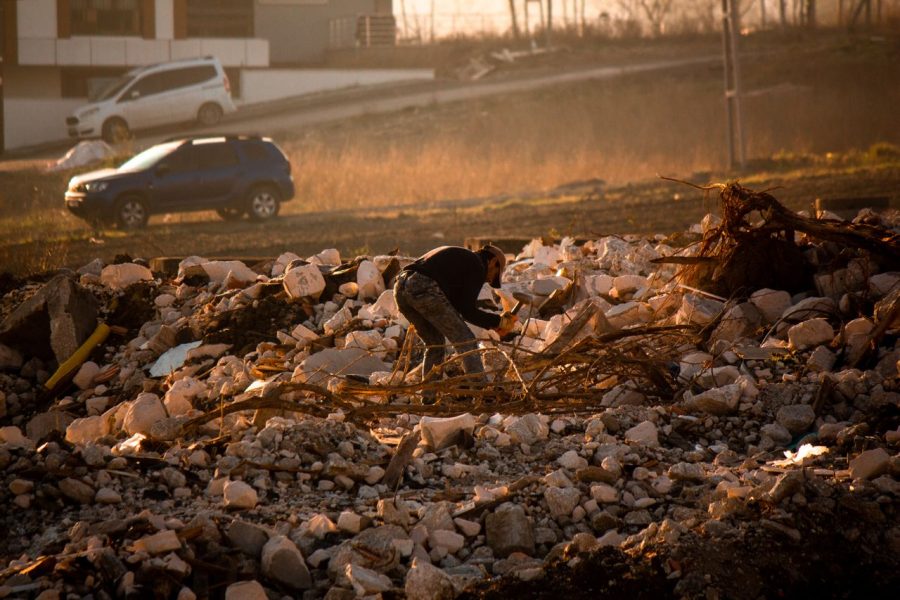
Construction and renovation projects can generate a surprising amount of waste. Broken bricks, concrete fragments, old tiles, packaging, timber and other discarded materials can quickly accumulate around a property, making the site difficult to work on and potentially creating unnecessary safety concerns.
For homeowners, contractors and property managers, arranging reliable rubble removal in Pretoria North can make the process considerably more manageable. Removing unwanted construction material promptly helps keep work areas organised while allowing building, renovation or landscaping activities to continue more efficiently.
Construction waste should not simply be left in piles or disposed of without considering where it is going. Different materials may have different handling requirements, and responsible disposal can help reduce environmental impacts while keeping properties clean and usable.
Why Construction Projects Generate So Much Rubble
Almost every building or renovation project produces some form of waste. Even relatively small improvements can result in discarded materials that are difficult to store or transport using an ordinary vehicle.
Demolition work tends to create particularly large quantities of rubble. Removing a wall, replacing flooring, taking out old paving or dismantling unwanted structures can leave behind substantial amounts of brick, concrete, plaster and other materials.
New construction can also generate waste. Offcuts, damaged products, excess packaging and materials that are no longer required can accumulate as the project progresses.
The quantity of waste is influenced by the size and type of project, the materials involved and the extent of demolition. Planning for waste removal before work begins can therefore prevent the site from becoming overcrowded.
Common Types of Construction Waste
Construction debris can consist of many different materials. Identifying what needs to be removed can help property owners and contractors estimate the scale of the job and determine the most suitable collection approach.
Typical building waste may include:
- Broken bricks, concrete and masonry
- Old tiles, plaster and flooring materials
- Timber, packaging and general building offcuts
Some projects produce a combination of heavy and lightweight materials. Concrete and masonry can become difficult to move in large quantities, while timber and packaging may occupy considerable space despite weighing much less.
It is also important to distinguish ordinary construction waste from materials that may require specialised handling. Certain chemicals, asbestos-containing products, fuels, paints and other potentially hazardous substances should not automatically be treated in the same way as ordinary building rubble.
Planning Waste Removal Before Work Begins
A simple waste management plan can prevent many practical problems during a construction or renovation project. Instead of waiting until the site is covered with debris, consider how waste will be collected as the work progresses.
The first step is to estimate the likely volume. A small bathroom renovation will generally produce far less rubble than a major demolition project. However, even a small quantity can become inconvenient if it remains on the property for several weeks.
The second consideration is access. Collection vehicles need a suitable route to the area where waste is stored. Narrow entrances, gates, steep driveways or restricted parking areas can affect how materials are collected.
It is also useful to establish where rubble will be temporarily placed. Keeping debris in one designated area can make collection easier and reduce the chance of materials being scattered around the property.
How Efficient Rubble Clearance Works
Efficient waste clearance is not simply about removing a pile of debris. Good planning helps reduce unnecessary handling and allows the site to become usable again as quickly as practical.
A typical process can involve several stages:
- Assess the waste: Determine the approximate quantity and identify the main types of materials that need to be removed.
- Prepare the collection area: Keep rubble together in an accessible location where it can be collected safely.
- Arrange suitable transport: Choose a removal service and vehicle capacity appropriate for the volume and nature of the waste.
- Load the materials: Waste is collected and loaded for transportation, with appropriate care taken around heavy or unstable debris.
- Transport and dispose responsibly: The collected material should be taken to an appropriate disposal, recycling or processing facility where applicable.
The exact process can vary depending on the project and the type of material involved. Larger jobs may require several collections rather than one removal.
Why Leaving Rubble on Site Can Become a Problem
Construction waste can interfere with the normal operation of a property. Piles of debris take up valuable space and can make it harder for workers to move equipment or materials around the site.
Loose rubble can also create avoidable hazards. Uneven surfaces, sharp fragments and unstable piles may increase the risk of trips or other accidents, particularly when several people are working in the same area.
There can be practical consequences as well. A cluttered worksite can slow down tasks because workers have to move around or over discarded materials. Clearing waste regularly can make it easier to access tools, building supplies and completed sections of the project.
For occupied residential properties, prompt removal can be particularly useful. Homeowners may still need access to garages, driveways, entrances and outdoor areas while renovation work is taking place.
Choosing a Suitable Rubble Removal Service
Selecting a waste removal provider should involve more than simply comparing prices. The service needs to be appropriate for the type and amount of material being collected.
Consider the following factors:
- Waste type: Confirm that the provider handles the materials generated by your project.
- Capacity: Make sure the available vehicle or collection arrangement is suitable for the expected volume.
- Access requirements: Explain any restrictions that could affect collection, such as narrow entrances or limited parking.
- Disposal practices: Ask how collected waste is handled and where it is taken.
- Scheduling: Choose a collection time that fits the project’s progress and avoids unnecessary accumulation.
Clear communication before collection can help prevent misunderstandings. Providing accurate information about the waste can also make it easier to determine what equipment and capacity may be needed.
Construction Waste and Responsible Disposal
Responsible waste management is an important part of keeping construction activity sustainable. Not every discarded material necessarily has to end up in the same waste stream.
Some materials may be suitable for recycling or recovery, depending on their condition and the facilities available. Metals, certain types of packaging, clean rubble and other materials may have potential for reuse or processing.
This does not mean that every piece of construction debris can or should be recycled. Contamination, mixed materials and local facility requirements can affect what is accepted.
Property owners should also avoid disposing of construction waste in unauthorised locations. Illegal dumping can create environmental and community problems, while improperly handled materials can affect surrounding land and drainage systems.
A reputable removal provider should be able to explain what types of waste it accepts and how the collected materials are handled.
Managing Rubble During a Renovation
Waste management is easier when it is incorporated into the project rather than treated as an afterthought.
For longer renovations, scheduled collections can help prevent debris from accumulating beyond the available storage space. This can be particularly helpful when a property has limited outdoor areas.
Separating reusable materials from genuine waste can also make the site easier to manage. For example, timber, bricks or other usable products may sometimes be retained for another stage of the project rather than immediately discarded.
Keeping pathways clear is another practical consideration. Workers should have safe and convenient routes between working areas, storage spaces and entrances.
At the end of each workday, a quick site tidy-up can make the next day’s work more efficient. This does not replace professional collection, but it can prevent small amounts of waste from spreading throughout the property.
Rubble Removal for Different Types of Projects
The need for construction waste clearance is not limited to major building developments. Many smaller projects can benefit from having a planned removal solution.
Home renovations may produce broken tiles, old fittings, plaster and masonry. Garden improvements can create soil, paving fragments and other landscaping waste. Commercial property alterations may generate larger volumes of mixed construction material.
Demolition projects generally require more careful planning because the quantity of debris can increase rapidly. A removal schedule may need to be coordinated with demolition work so that waste does not obstruct the remaining activities.
Contractors can also benefit from dependable collection arrangements because a clean site can make project management easier. Instead of allowing waste to accumulate until the end of a job, regular removal can keep the workspace more organised.
Making Construction Waste Easier to Manage
A few practical decisions can make a significant difference to the overall waste removal process. Estimate quantities conservatively, avoid mixing potentially hazardous materials with ordinary rubble and keep collection areas accessible.
It is also worth considering the timing of removal. A collection that takes place too early may leave the project without adequate space for newly generated waste, while waiting too long can allow debris to interfere with the work.
For larger projects, it can be useful to review waste volumes periodically. If the project is producing more material than originally expected, additional collections may be necessary.
When homeowners and contractors plan ahead, rubble becomes a manageable part of the construction process rather than a problem that has to be dealt with at the last minute.
Keeping Pretoria North Construction Sites Clear
Construction and renovation work inevitably create waste, but the way that waste is managed can have a significant effect on the efficiency and safety of a project. Prompt collection keeps work areas more orderly, provides additional usable space and reduces the amount of debris left around a property.
For projects where substantial quantities of building waste are generated, rubble removal Pretoria North can provide a practical way to keep materials moving off-site as work progresses. The most suitable approach will depend on the project’s size, waste type, access conditions and collection requirements.
By planning waste clearance in advance, separating materials where practical and using an appropriate disposal service, property owners and contractors can maintain a cleaner, more functional work environment from the first stage of demolition through to the final clean-up.