
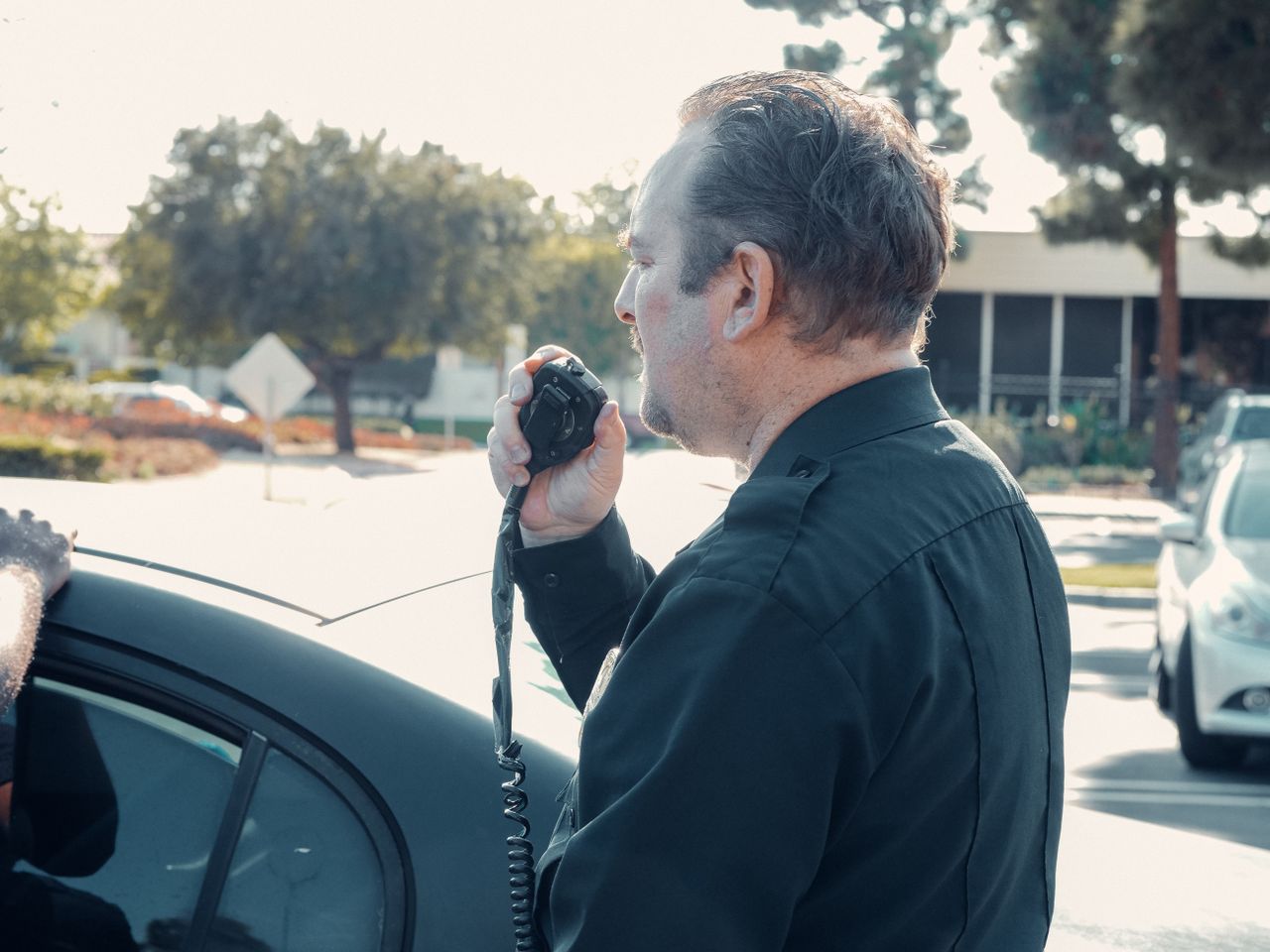
Security risks can vary significantly between commercial properties, industrial sites and public spaces. While routine security measures help maintain everyday safety, certain situations require a more specialised response. Incidents involving elevated threats, public disturbances or potential risks to people and property may demand additional planning, experience and coordination.
In these circumstances, security personnel need to be prepared to respond to changing conditions while maintaining control of the situation. The ability to assess potential threats, communicate effectively and follow established procedures can make an important difference in how an incident develops.
This is where tactical security becomes an important part of a broader security strategy. It provides specialised support for environments where conventional guarding arrangements may not be sufficient to address the level or nature of the risk.
Understanding the Role of Tactical Security
Tactical security refers to specialised security services designed to support the management of elevated-risk environments and challenging incidents. These services generally involve personnel with additional training, experience and operational responsibilities suited to more demanding security requirements.
Unlike routine guarding, which often focuses on access control, patrols and general site monitoring, tactical security may be required when circumstances become more complex or unpredictable. This can include situations where there are concerns about public unrest, potential threats to commercial premises, or disruptions that could affect the safety of employees, visitors and surrounding communities.
The purpose is not simply to provide a more visible security presence. It is to establish a structured approach to risk management, incident assessment and response. This requires an understanding of the environment, clearly defined responsibilities and coordination with other security personnel.
Situations That May Require a Specialised Security Response
Different environments face different security challenges. A commercial property in a busy urban area may have different requirements from a warehouse, industrial facility or office park. However, certain circumstances can increase the need for specialised security arrangements.
Examples include:
- Periods of public unrest: Protests, demonstrations and other forms of civil disturbance can create uncertainty around commercial operations. Businesses may require additional security planning to protect their premises and manage access during these periods.
- Elevated threats to commercial properties: Facilities experiencing recurring security concerns may benefit from additional personnel and a more structured approach to site protection.
- High-risk operational environments: Industrial facilities, distribution centres and warehouses can have valuable assets, restricted areas and operational requirements that call for specialised security oversight.
- Major security incidents: Events that disrupt normal operations may require coordinated incident management, communication and support from appropriately trained personnel.
The appropriate response depends on the circumstances, the level of risk and the specific requirements of the property. A security assessment can help determine whether additional resources or specialised services are necessary.
The Importance of Risk Assessment and Preparation
Effective security begins well before an incident occurs. Understanding potential vulnerabilities allows security providers and property managers to develop appropriate procedures rather than relying entirely on reactive measures.
A risk assessment considers the nature of the premises, surrounding environment, existing security arrangements and potential threats. It can also identify weaknesses in access control, communication systems, perimeter protection and emergency procedures.
Preparation may involve several important steps:
- Identifying potential vulnerabilities: Reviewing the property and its surroundings helps establish where additional security attention may be required.
- Establishing response procedures: Clear protocols help personnel understand their responsibilities and the appropriate reporting and escalation processes.
- Coordinating security resources: Different teams may need to work together to maintain site awareness and ensure consistent communication.
- Reviewing emergency arrangements: Businesses should understand how security procedures fit into their wider emergency management plans.
- Updating security plans: Risks can change over time, making regular reviews important for maintaining effective protection.
Preparation also helps businesses avoid unnecessary disruption. When responsibilities and procedures are established in advance, personnel are better positioned to respond consistently when circumstances change.
Coordination Between Tactical and General Security Personnel
A specialised security team does not operate independently of the wider security environment. In many cases, effective protection depends on cooperation between different personnel and service providers.
General security officers often have valuable knowledge of the property, its daily operations, access arrangements and regular visitors. Their familiarity with the environment can help identify unusual activity and provide useful information when an incident requires additional attention.
Specialised personnel may then provide further support according to the nature of the situation and their assigned responsibilities. Clear communication between teams helps reduce confusion and supports a coordinated approach.
This cooperation is particularly relevant at larger commercial properties, shopping centres, industrial sites and office parks, where several security functions may operate simultaneously.
Businesses should ensure that reporting structures are understood and that security providers have suitable procedures for sharing relevant information. Defined responsibilities also help prevent overlapping duties or uncertainty during an incident.
Training, Professionalism and Decision-Making
Security personnel working in elevated-risk environments require more than a general understanding of site protection. Their responsibilities may involve complex situations where sound judgement, communication and professional conduct are essential.
Training should be appropriate to the duties being performed and the operational risks involved. Depending on the service provided, this may include incident awareness, emergency procedures, conflict management, communication protocols and relevant legal responsibilities.
Professional decision-making is equally important. Security personnel must understand the limits of their authority and follow established procedures when responding to incidents. This includes recognising when additional assistance is required and ensuring that appropriate authorities are contacted when circumstances warrant it.
Other important professional qualities include:
- Maintaining awareness of changing conditions.
- Communicating clearly with colleagues and management.
- Following established reporting procedures.
- Treating members of the public professionally.
- Remaining accountable for decisions and actions.
These standards contribute to a more consistent security service and help businesses maintain confidence in their security arrangements.
Protecting Business Continuity During High-Risk Periods
Security incidents can affect more than the immediate safety of a property. They may interrupt operations, restrict access, delay deliveries and create uncertainty for employees, customers and suppliers.
For businesses operating in environments where security conditions can change quickly, continuity planning is an important consideration. Security arrangements should support the organisation’s ability to manage disruptions while prioritising the safety of everyone on the premises.
A comprehensive approach may include:
- Protecting essential operations: Identifying which business functions need additional security consideration during periods of elevated risk.
- Managing access arrangements: Reviewing how employees, contractors, visitors and deliveries enter and leave the premises.
- Maintaining communication: Ensuring that management and relevant security personnel can share important updates.
- Supporting emergency planning: Aligning security procedures with evacuation arrangements, emergency contacts and business continuity plans.
- Reviewing incidents afterwards: Assessing what happened and identifying opportunities to improve future preparedness.
The objective is to reduce avoidable disruption while ensuring that security decisions remain proportionate to the circumstances. Businesses should also recognise that operational continuity must never take priority over immediate safety concerns.
Choosing an Appropriate Tactical Security Provider
Selecting a security provider requires careful consideration, particularly when services are intended for elevated-risk environments. Businesses should look beyond the size of a security team or the visibility of its presence.
The provider should demonstrate an understanding of the property’s requirements and offer services that align with its specific risk profile. Relevant experience, personnel training, operational procedures and regulatory compliance are all important considerations.
Before appointing a provider, businesses may wish to evaluate the following:
- Whether the provider has experience with similar commercial or industrial environments.
- Whether personnel have appropriate training and qualifications for their assigned duties.
- Whether clear incident reporting and escalation procedures are in place.
- Whether the provider can coordinate with existing guarding teams.
- Whether insurance, licensing and relevant legal requirements are addressed.
- Whether security arrangements can be reviewed as operational needs change.
It is also important to establish expectations before services begin. Businesses should understand what the provider is responsible for, how incidents will be communicated and what level of support is included in the agreement.
Building a More Prepared Security Environment
High-risk situations require careful planning, professional judgement and an understanding of how different security functions work together. While no security arrangement can eliminate every potential threat, suitable preparation can help businesses identify vulnerabilities and respond more effectively when challenging circumstances arise.
Specialised security services form part of this broader approach by providing additional support where the nature of the environment or potential risks demand it. When combined with reliable general guarding, effective communication and appropriate emergency procedures, they can contribute to a more coordinated security strategy.
For commercial property owners and business operators, the priority should be to understand their security requirements before problems arise. Regular assessments, suitable service providers and clearly established procedures help create an environment where people, property and essential business operations receive appropriate protection.